
POLICIES

Prevention of Sexual Harassment Policy

1

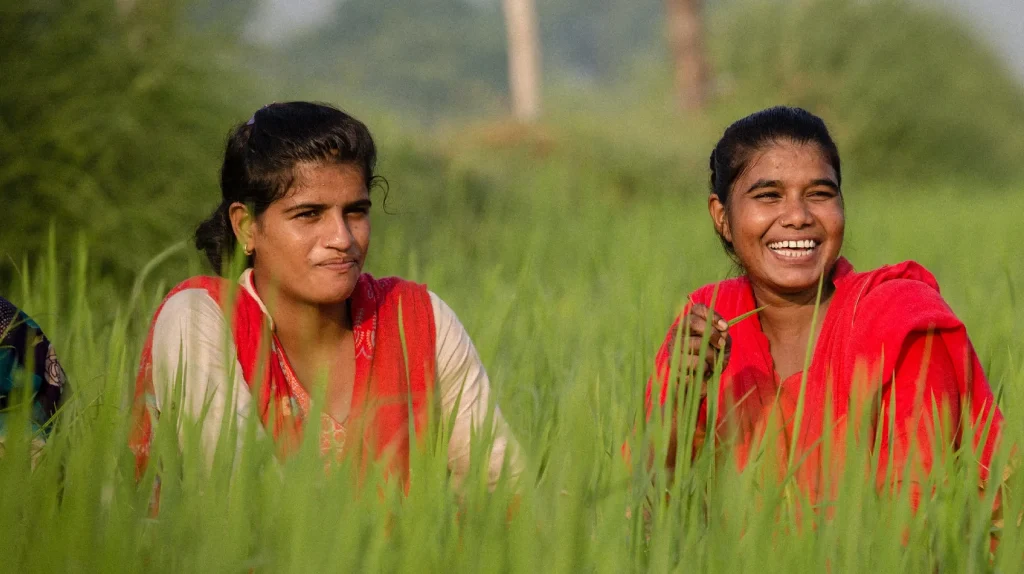
When the musicians stopped their daily practice of folk music, the rhythmic whirring of potters’ wheels sang through the air in Saraswati’s village, (name?), in Jharkhand. The village prided itself on these traditional arts and the zealously-guarded skills were carefully taught by father to son. Daughters had no right to these ancestral skills. From the day they were born they were considered the property of the home that they would one day marry into. Besides, daughters menstruate, and those were unclean hands to be touching a deity. The unfairness of it is a craft handed down over generations, but only from father to son.

Discrimination against women and girls is a layered issue, especially in India. It lingers not just in economic and social spaces but also cultural. As in Saraswati’s case—in whose community, the knowledge of ancestral art was traditionally reserved only for the sons. In several communities, daughters are considered almost-like strangers, belonging to their marital homes more than their maternal ones.

This means girls are discouraged from learning skills their families are known for and not even allowed to touch idols of deities as they’re considered unclean when they’re menstruating. Saraswati’s father carries on the ancestral legacy through a band and regular practice of sculpting and pottery. And Saraswati was very interested in learning these skills. But when Saraswati asked her father to teach her their ancestral art of sculpture and music, her brother fumed at the request. How could girls participate in these cultures?

Breakthrough has been working for 25 years to change these thoughts and quell these queries. Instead, why shouldn’t we ask ‘Why not girls?’ Saraswati, associated with Breakthrough, too dared to pose this question. She knew both boys and girls are capable of these skills so why should she be left behind? Despite her brother’s opposition, Saraswati persistently communicated with her father and tried to convince him. “Is it only the right of the sons to learn traditional crafts?” she asked. Don’t I have the potential to learn?”

In many families, such questions never even come up, let alone answered. So her attempts to bravely challenge them moved her father. He agreed and in doing so, shifted a fundamental belief just a little. Now, Saraswati is learning to play the harmonium and create clay sculptures and pottery with dedication and she finds great joy in learning this skill. It’s a small change that not only gives her life new direction but also moves communal beliefs towards a more equal world.

Get Involved

There are many ways can contribute to our campaigns and make a difference.
Donate
DONATE
Donate
E-VOLUNTEER
Donate
WORK WITH US